We're a small NetSuite consultancy that has spent the best part of a decade inside finance systems. These days we spend a lot of that time wiring AI into them, so the manual work quietly gets done and your team gets on with the interesting parts.
This is the foundation everything else sits on. We handle both the functional setup and the technical build, which matters because most NetSuite problems live in the gap between the two. We've spent years untangling systems where the configuration and the code were done by people who never spoke to each other.
SuiteScript, workflows and custom records, used only where the standard functionality genuinely runs out. Less custom code means fewer surprises at upgrade time. And if NetSuite has become slow, we can usually find out why.
NetSuite talking to everything else, through your integration platform or directly. We've connected CRMs like Salesforce, payment gateways like GoCardless and Stripe and HR systems like Bamboo; we build them to fail loudly rather than silently.
Most projects tender for a functional consultant and a developer separately, then spend months translating between them. Get a team which knows the technical, with a solid functional knowledge based on best practices.
Saved searches, dashboards, SuiteAnalytics or an external BI tool, whichever fits the question being asked. The aim is that the numbers people need are in front of them without anyone exporting to a spreadsheet first.
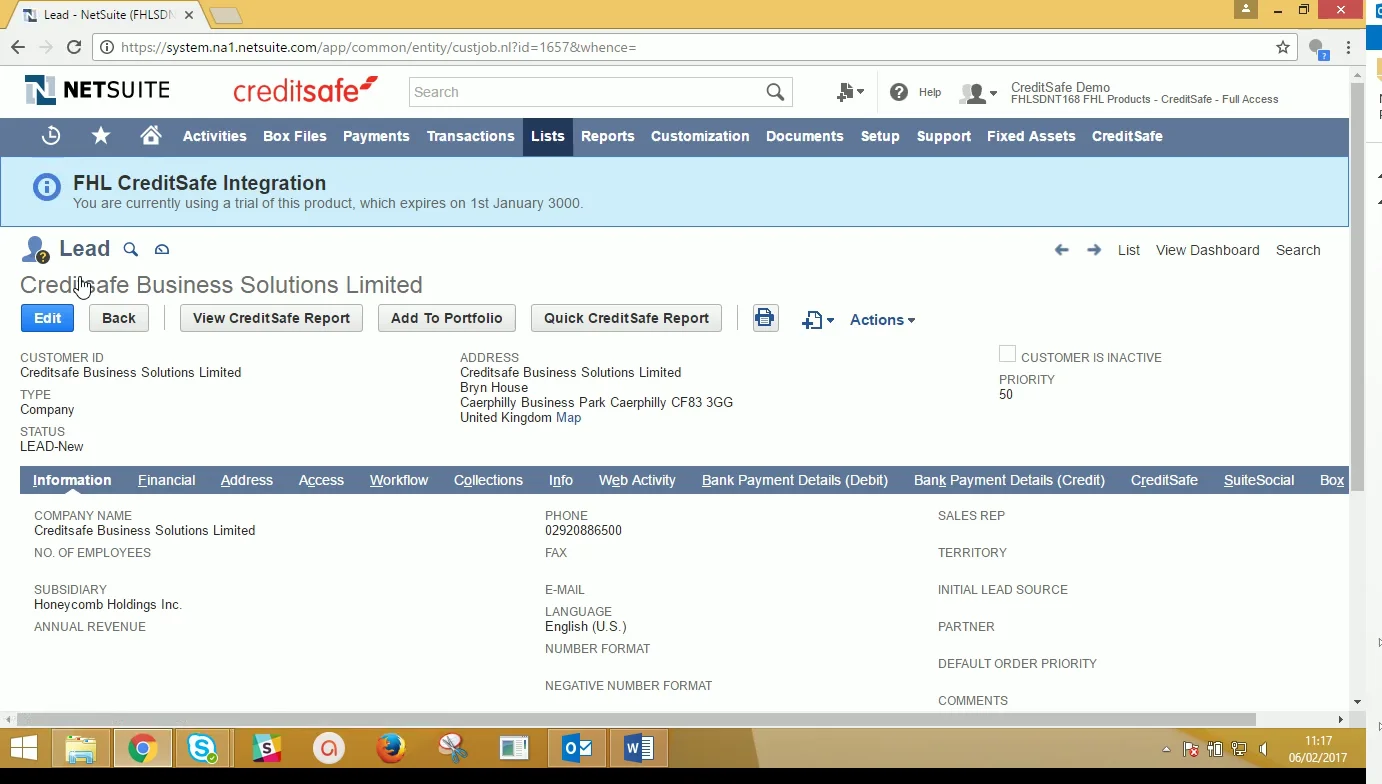
We connected a third-party credit agency to NetSuite so every customer record carries its current score, company history and a recommended credit limit. Limits can be applied from the record itself, and when a customer's position changes, a CCJ appears or a score drops, NetSuite flags it and tells the finance team the same day rather than at the next manual review.
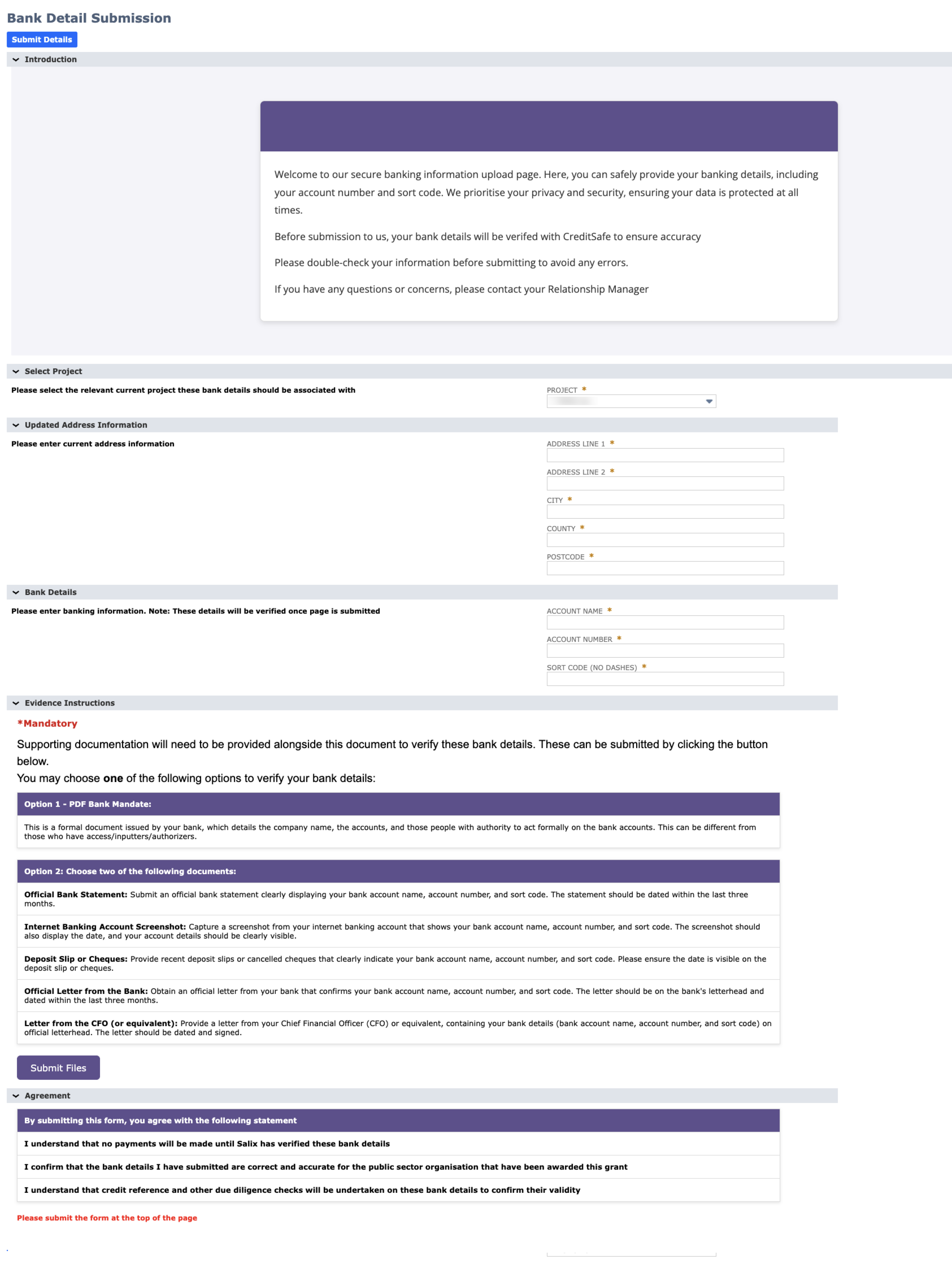
Bank details used to arrive by email and get keyed in by hand, which is both a fraud risk and a chore. Now vendors and employees enter their own details through the NetSuite vendor and employee portals, attach evidence such as a bank letter, and the change goes through approval before anything is paid. Every submission and approval is logged, and nothing sensitive travels through anyone's inbox.
You've probably heard plenty about AI by now. What's been harder to find is someone who can show you where it pays off in a finance system, and then build it. That's what we do. We look at the work your team does by hand every week, find the parts a model can reliably take over, and wire it straight into NetSuite. You can bring your own AI provider or we'll recommend one. Either way, you'll always be able to see what it did and why.
Orders, records, transactions, the notes people leave on them. Everything already living in NetSuite, with no re-keying. Only given secure access to the data you want it to have.
The model weighs it up against rules you've agreed and decides what should happen next. Anything outside those rules goes to a person.
The record is updated or flagged in NetSuite, and your team is told in Slack, Teams or email. Every action is logged so you can check its work.
A client's team was spending hours each week reviewing routine transactions that almost always passed. We connected an AI model to their NetSuite. It reads each record as it arrives, makes the routine calls within guardrails the finance team set, writes the outcome back, and hands anything unusual to a human with a note explaining what it saw.
Sometimes the thing you need doesn't exist yet. When that happens we build it from scratch, including AI that can see, generate and render. Each one is a standalone product designed around a single job, which is usually why it works better than the general-purpose tool it replaces.
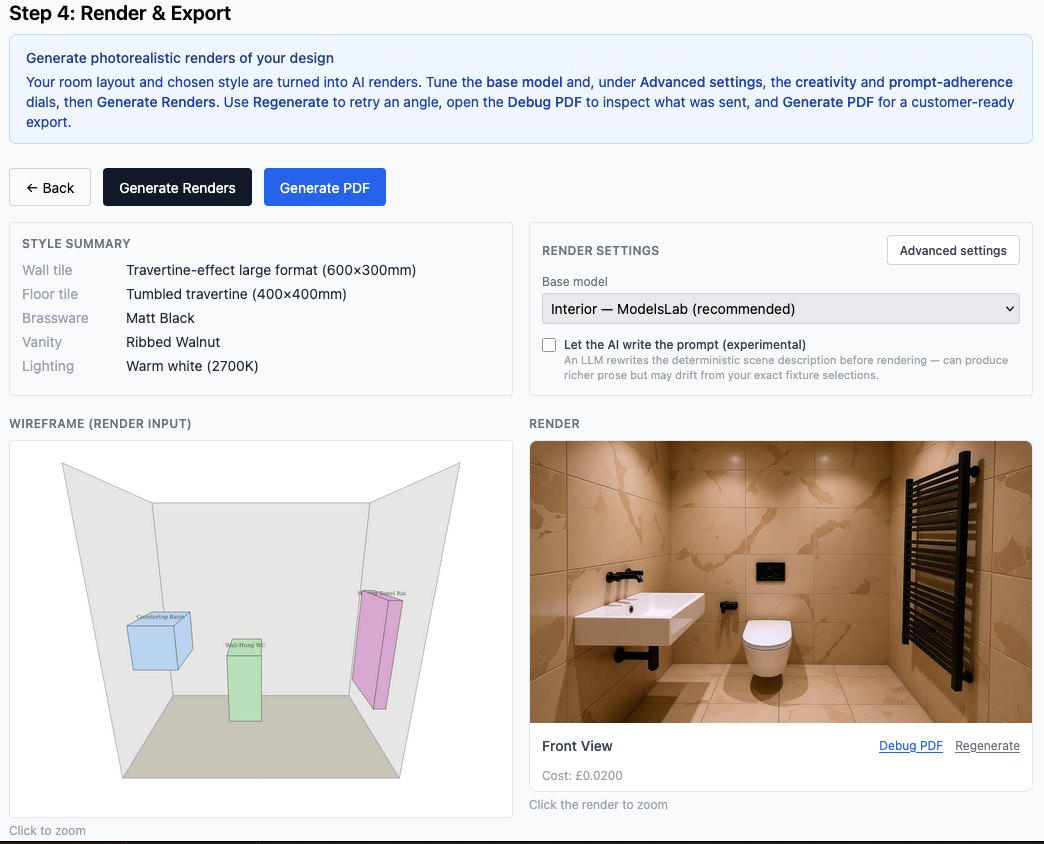
A bathroom retailer wanted customers to see their actual room with the products they were considering, not a stock photo. We built a tool that places a product catalogue onto a real floorplan and renders it photographically. Swap a tap, a tile or a finish and the room redraws in seconds, so the conversation in the showroom never stalls on "what would that look like?"
Each of these started as a problem someone described to us over coffee. They're at different stages, and we're happy to show you any of them if the shape of the problem sounds like yours.
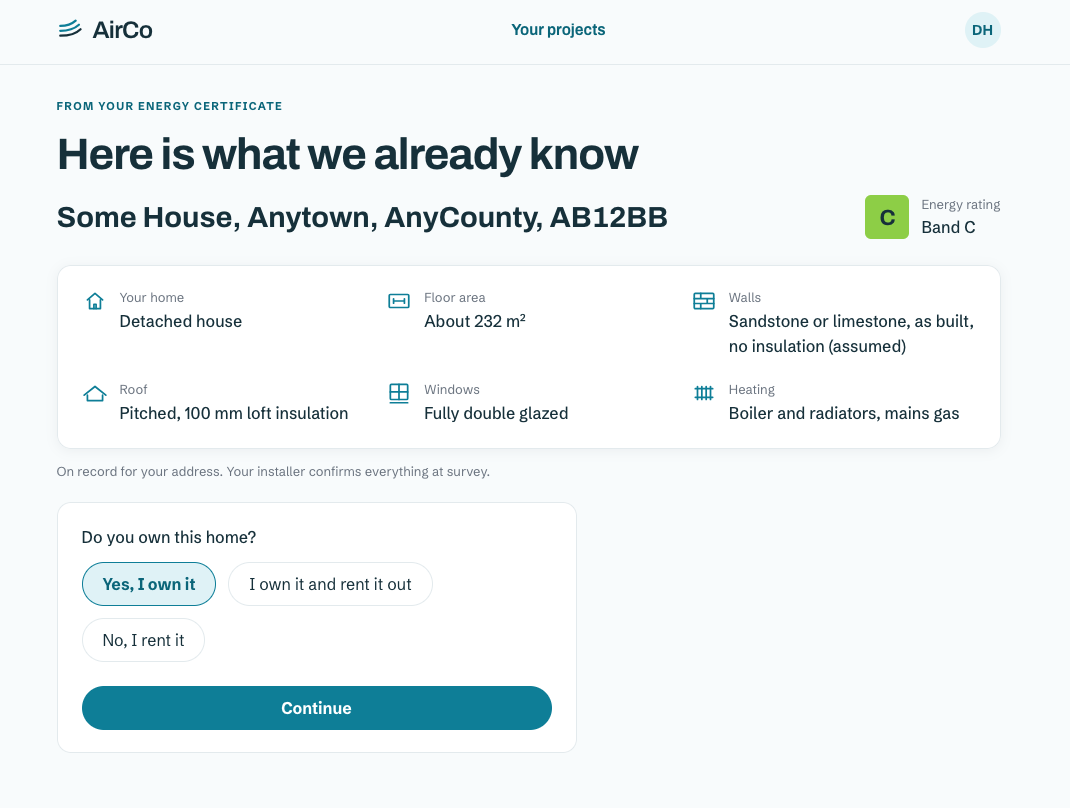
Give it a floorplan and it works out the heat load, suggests unit sizes and positions, and drafts the quote. Built for consumers who are overwhelmed and installers who'd rather be fitting than typing.
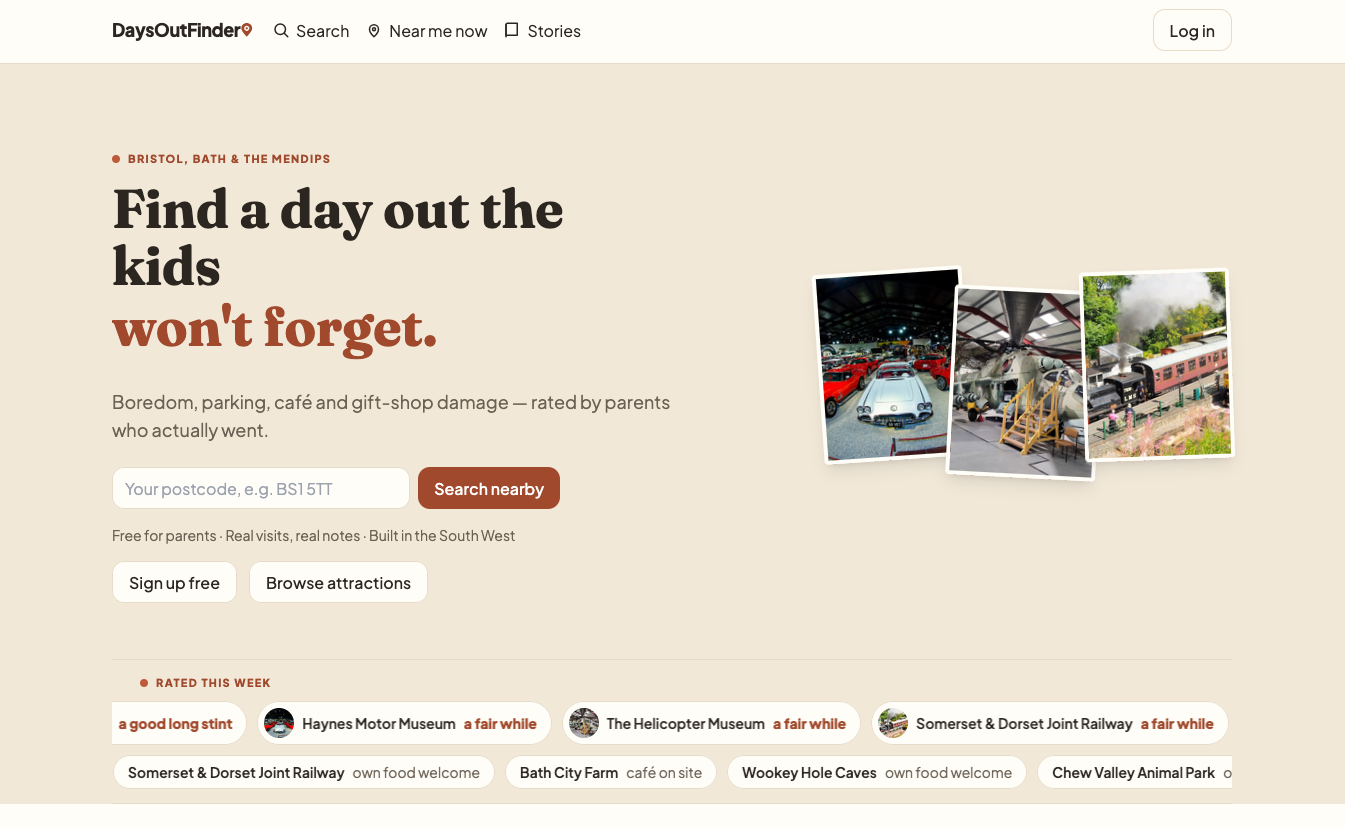
Tell it your postcode, and it finds clubs, classes and one-off events nearby, with the booking details plus reviews already gathered and ordered.
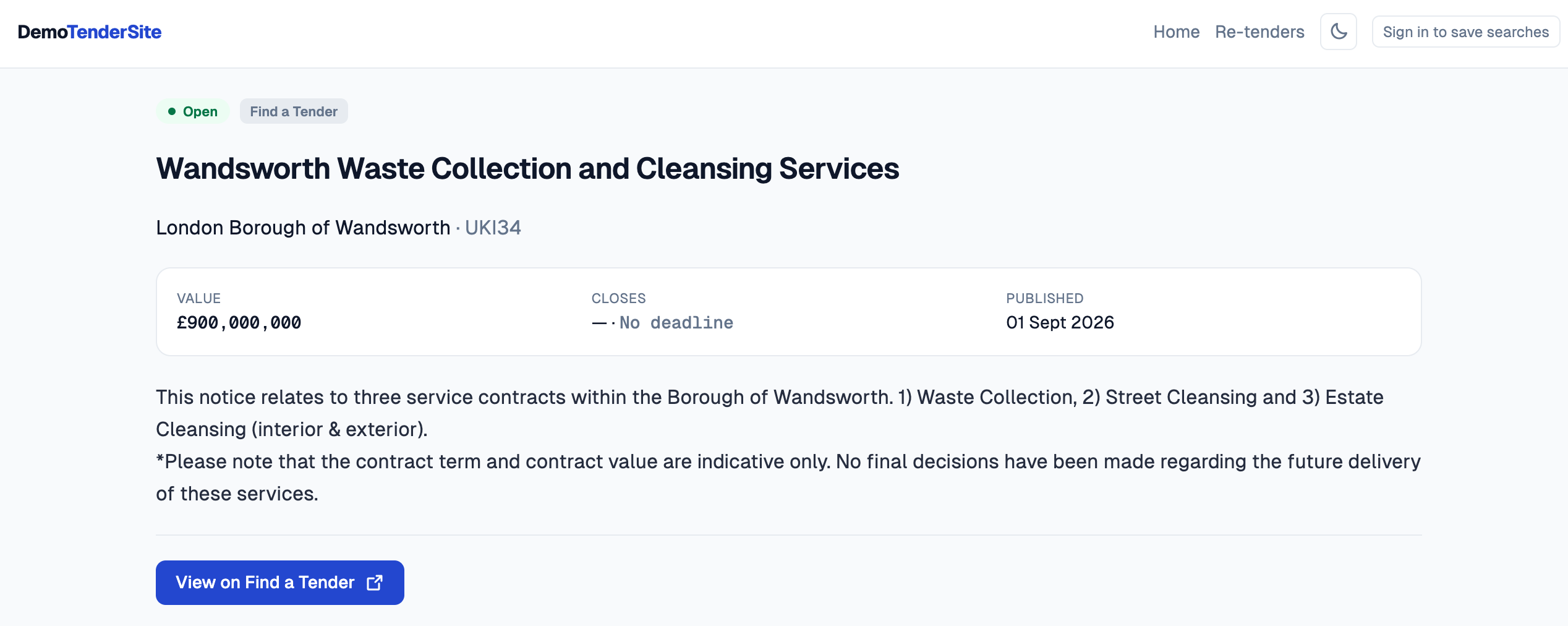
Reads public tender notices as they're published, matches them against what your business actually does, and drafts the first pass of the response so you only spend time on the ones worth winning.
We're deliberately small. That means the person you speak to on the first call is the person who scopes the work, writes the code and picks up the phone when something needs looking at a year later. We bring in specialists when a job needs them, but never more layers than the work requires.
There's no account manager relaying half your brief to a developer you'll never meet. You explain the problem once, to the person who'll fix it.
With fewer people in the room, decisions get made in the meeting rather than after it. Work comes back right, and it comes back fast.
Whoever scopes your project owns it, including when NetSuite releases an update or something needs fixing later. Most of our clients have been with us for years.
That's our favourite kind of conversation, and there's no hard sell at the end of it. Tell us what's slow, manual or driving you mad, and we'll give you an honest view of whether AI, better NetSuite configuration or something else entirely is the right fix.
© 2026 Lystor Consulting Ltd